
- Buy Crypto
- Markets
 Futures
- Spot
- Copy Trade
- Earn
- More
Decentralized Applications (dApps)

Decentralized Applications (dApps) are software applications that run on a decentralized network, typically built on blockchain technology. Unlike traditional applications that rely on centralized servers and databases, dApps operate on a peer-to-peer network, allowing for greater transparency, security, and resistance to censorship. This decentralized nature enables users to interact directly with the application without intermediaries, fostering a more open and democratic environment.
One of the key features of dApps is their reliance on smart contracts—self-executing contracts with the terms of the agreement directly written into code. Smart contracts automate processes and facilitate transactions in a trustless manner, ensuring that all parties adhere to the agreed-upon terms. This eliminates the need for third-party intermediaries, reducing costs and increasing efficiency.
dApps can serve a variety of purposes across different industries, including finance, gaming, supply chain management, and social networking. In the finance sector, decentralized finance (DeFi) applications allow users to lend, borrow, and trade assets without relying on traditional banking systems. In gaming, dApps can enable players to own in-game assets as non-fungible tokens (NFTs), providing true ownership and the ability to trade items across different platforms.
The development of dApps is often supported by blockchain platforms such as Ethereum, Binance Smart Chain, and Solana, which provide the necessary infrastructure for building and deploying these applications. Developers can leverage the capabilities of these platforms to create innovative solutions that address various user needs while maintaining the principles of decentralization.
Overall, Decentralized Applications (dApps) represent a transformative shift in how software is developed and utilized. By leveraging blockchain technology and smart contracts, dApps offer enhanced security, transparency, and user control, paving the way for a more decentralized internet and empowering individuals to engage with digital services in new and meaningful ways.
You may also like

What Is Billions (BILL)? The AI Identity Crypto & How to Buy in 2026
Learn what Billions (BILL) crypto is, how it works as an AI identity layer, and how to buy BILL tokens. A simple guide to BILL token utility and tokenomics.
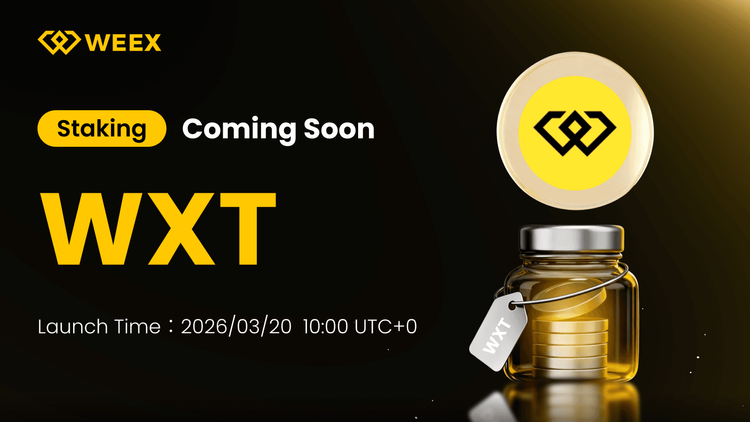
WEEX Launch WXT Staking: What You Need to Know
WXT staking refers to the process of locking your WXT holdings in a staking protocol to earn passive rewards. Unlike Proof-of-Stake networks where staking directly supports blockchain operations, platform-based staking like WEEX Staking allows users to earn yield on their assets through various mechanisms while maintaining flexibility.
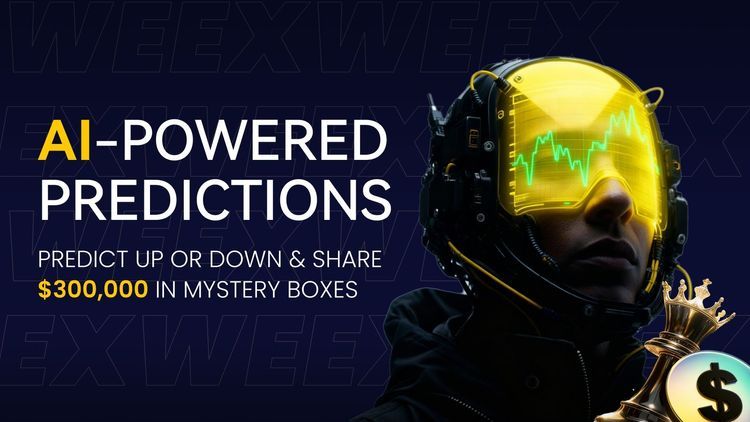
WEEX AI Predictions Event: Win 300,000 USDT with DOGE – Round 9 Now Live
join weex ao-powered predictions now!
Is World Rebuilding Trust (WRT) a Good Investment? 2026 Strategic Market Report
Is World Rebuilding Trust (WRT) a good investment in 2026? Read our 3,000-word deep dive into WRT tokenomics, the Solana RWA narrative, and price predictions. Discover the risks and rewards of tokenized reconstruction aid and learn why trading on WEEX provides the essential security for this high-volatility asset.

NG USDT on WEEX Futures: Trade Natural Gas (NG) Coin
Trade Natural Gas (NG) Coin on WEEX Exchange. NG USDT perpetual contracts are now live on WEEX Futures. Access global energy markets 24/7 with the new NG listing.

WEEX to List SanDisk (SNDK) and Launch SNDK USDT Perpetual Contract
Trade SanDisk (SNDK) Coin and SNDK USDT perpetuals on WEEX Exchange. Explore US stock futures with high leverage on the newly listed SanDisk (SNDK) pair.

WEEX Futures Lists BMNRon USDT Perpetual Contract
Trade BitMine Immersion Technologies Tokenized Stock (BMNRon) on WEEX. The BMNR USDT perpetual contract launches Mar 19 with 24/7 access to US stock markets.

WEEX to List MUon and Launch MUon USDT Perpetual Contract
WEEX lists Micron Technology Tokenized Stock (Ondo) (MUon). Trade MUon USDT perpetual contracts on WEEX Exchange with up to 24/7 market access and high liquidity.

What is World Rebuilding Trust (WRT) crypto? 2026 Comprehensive Analysis
What is World Rebuilding Trust (WRT) crypto? Explore our 2026 guide on how to buy WRT, its good investment potential, live price updates, and how to add WRT to Metamask. Learn about Solana-based sovereign rebuilding tokens and how to trade WRT securely on WEEX. Get the latest on mining WRT and future price predictions.

Is Arsenal Fan Token (AFC) a Good Investment?
Arsenal Fan Token (AFC) has caught fresh attention with its recent listing on WEEX exchange, where AFC/USDT trading…
EDGE USDT Premiere on WEEX: edgeX (EDGE) Coin Debuts Mar 20
According to CoinMarketCap data, edgeX (EDGE) has surged 68.80% in the past 24 hours, reaching $0.678286 with a…

Where and How to Buy Arsenal Fan Token (AFC)
Arsenal Fan Token (AFC) just hit a new milestone with its listing on WEEX exchange, where AFC/USDT trading…

What is edgeX (EDGE) Coin?
The cryptocurrency landscape is continually evolving, with new innovations regularly emerging. Recently, the token pair EDGE/USDT was newly…
What is Arsenal Fan Token (AFC) Coin?
The Arsenal Fan Token (AFC) is officially the fan token for Arsenal FC, a renowned football club from…
Where and How to Buy edgeX (EDGE) Coin: Complete Guide
edgeX (EDGE) has caught attention in the crypto world with its recent global exclusive first launch on WEEX,…
ATLA Crypto Guide: Price Outlook and Trading Challenge Perks
With the crypto market buzzing in early 2026, ATLA has emerged as a token drawing attention from traders…
AFC USDT Pair Launches on WEEX: Arsenal Fan Token (AFC) Listing
As a seasoned crypto trader who’s followed fan tokens since their rise, I’m excited about Arsenal Fan Token…
Is edgeX (EDGE) Coin a Good Investment?
edgeX (EDGE) has grabbed attention in the crypto space with its recent listing on WEEX Exchange as a…
What Is Billions (BILL)? The AI Identity Crypto & How to Buy in 2026
Learn what Billions (BILL) crypto is, how it works as an AI identity layer, and how to buy BILL tokens. A simple guide to BILL token utility and tokenomics.
WEEX Launch WXT Staking: What You Need to Know
WXT staking refers to the process of locking your WXT holdings in a staking protocol to earn passive rewards. Unlike Proof-of-Stake networks where staking directly supports blockchain operations, platform-based staking like WEEX Staking allows users to earn yield on their assets through various mechanisms while maintaining flexibility.
WEEX AI Predictions Event: Win 300,000 USDT with DOGE – Round 9 Now Live
join weex ao-powered predictions now!
Is World Rebuilding Trust (WRT) a Good Investment? 2026 Strategic Market Report
Is World Rebuilding Trust (WRT) a good investment in 2026? Read our 3,000-word deep dive into WRT tokenomics, the Solana RWA narrative, and price predictions. Discover the risks and rewards of tokenized reconstruction aid and learn why trading on WEEX provides the essential security for this high-volatility asset.
NG USDT on WEEX Futures: Trade Natural Gas (NG) Coin
Trade Natural Gas (NG) Coin on WEEX Exchange. NG USDT perpetual contracts are now live on WEEX Futures. Access global energy markets 24/7 with the new NG listing.
WEEX to List SanDisk (SNDK) and Launch SNDK USDT Perpetual Contract
Trade SanDisk (SNDK) Coin and SNDK USDT perpetuals on WEEX Exchange. Explore US stock futures with high leverage on the newly listed SanDisk (SNDK) pair.


 App
App