
 Buy Crypto
- Markets
 Futures
- Spot
- Copy Trade
- Earn
- More
The Surging Tide of Global Liquidity: Bitcoin, Gold, and the Complex Landscape of Financial Markets

Key Takeaways
- Global Liquidity Insight: Michael Howell emphasizes the significance of the global liquidity cycle as a major driver of asset prices.
- Critical Financial Strategy: Both Bitcoin and Gold are highlighted as essential assets for hedging against long-term monetary inflation.
- 65-Month Cycle Analysis: The global liquidity cycle averages 65 months, correlating with global debt refinancing periods.
- Monetary Battles: The digital currency realm is increasingly polarized between U.S. led stablecoins and China’s gold-backed strategies.
WEEX Crypto News, 2025-11-27 09:37:16
Understanding the intricacies of global finance often seems like an enigma, shrouded in technical jargon and complex models. However, one name stands out in decoding these complexities: Michael Howell, a noted authority on global liquidity. Howell’s methodologies have transcended traditional financial theories by focusing on trends and patterns that spotlight liquidity as the pivotal factor influencing asset prices and market dynamics globally.
Michael Howell: A Visionary in Global Financial Liquidity
Michael Howell’s expertise stems from decades of immersion in the financial markets, starting from his pivotal role at Salomon Brothers, a renowned investment bank where he headed the research department. His tenure there in the late 1980s and early 1990s sparked a realization that would redefine financial analysis: asset prices’ volatility is less about economic fundamentals and more about where capital is flowing. This insight led to the development of the Global Liquidity Index (GLI), an essential tool now used to gauge central bank activities, debt refinancing patterns, and capital flows across 90 nations.
For investors and analysts, Howell’s concept of global liquidity represents a shift from traditional models focusing on capital markets as sources of new investment capital. Instead, it’s a world dominated by debt refinancing, where approximately 70%-80% of transactions revolve around rolling over debt rather than funding new projects.
Exploring the 65-Month Global Liquidity Cycle
An intriguing facet of Howell’s analysis is the identification of a distinct 65-month cycle in global liquidity movements. This cycle mirrors the average maturity timing of global debt, about 64 months, illustrating a high degree of synchronization. Presently, we see this cycle in a downturn, indicative of current market weaknesses and highlighting underlying fiscal strains.
Examining the pressure points, the repo market—a platform for short-term borrowing and lending—offers vital clues about impending economic pressures. Expanding repo spreads signal stress within the system and a potential precursor to broader financial disruptions. As such, understanding these market trends could provide a more accurate predictor of crises than traditional economic indicators like GDP growth.
The Global Currency Conflict: Dollar and Gold
The financial world remains divided between digital dollars, spearheaded by stablecoins backed by U.S. debt, and a potential gold-backed monetary discipline advocated by China. China’s robust strategy involves substantial accumulation of gold, attempting to hedge against the risks posed by the U.S. dollar-dominated system and to establish new trust frameworks.
This creates a subtle yet powerful capital warfare staged between American tech-driven financial innovations and China’s focus on tangible assets like gold. The narrative positions cryptocurrencies and other digital assets as possible battlegrounds impacted by this economic tug-of-war.
Bitcoin and Gold: Not Just Alternatives, but Necessities
In an era marked by inevitable monetary inflation driven by ever-increasing global debt (growing at about 8% annually), Howell prescribes Bitcoin and gold as essential hedges against the devaluation of fiat currencies. These assets don’t merely serve as alternatives; they form a united front to limit the adverse effects of inflationary pressures.
Bitcoin, with its dual attributes akin to technology stocks and gold, is particularly intriguing. It acts as a hedge like gold (Alpha) while exhibiting risk attributes similar to tech stocks (Beta). Expectedly, this combination presents short-term volatility with long-term alignment towards wealth preservation, making Bitcoin a significant component of diversified investment portfolios.
Investing Amidst Liquidity Cycles: Strategy Insights
Given the market’s gradual slumber due to liquidity withdrawals, Howell suggests viewing this as a strategic opportunity rather than a moment of panic. The transition from the Federal Reserve’s quantitative easing to a Treasury-based liquidity model implies an evolved stimulus to counter debt pressures.
Even as AI and technological advancements promise to revolutionize industries, they cannot entirely escape the core cycles of valuation adjustments. With liquidity cycles heavily influencing asset prices, holding Bitcoin and gold presents a compelling hedge against long-term inflationary trends.
The Broader Financial Canvas: Markets, Assets, and Future Forecasts
The correlation between global liquidity movements and wealth generation indicates its growing influence over traditional economic metrics. Fiscal interventions aim to transition excess liquidity towards real economic growth and reduce societal inequality—a task with substantial implications for future market configurations.
Emerging assets like cryptocurrencies are increasingly integrated into diverse portfolios. As the liquidity cycle develops, these digital currencies, particularly Bitcoin, are poised to gain prominence, shaped by complex dynamics of traditional assets and tech-driven innovation.
Understanding Market Gyrations
While some economic planners foresee unending paths of liquidity growth, reminiscent of past systemic shifts marked by events like the collapse of Bretton Woods, Howell stresses that these observations still bank on established debt and liquidity relationships. Whether this pattern endures or faces a transformative collapse could redefine current monetary frameworks.
Projecting the Global Liquidity Landscape
As the global economy seemingly gravitates between two powerhouses—the U.S. utilizing tech frontiers and China reinforcing gold foundations—the investment landscape becomes ever more intricate. Howell’s perspective largely aligns with anticipating a dual-system future: one vested in digital assets and the other in strategic commodities like gold. This foresight strengthens the necessity for investors to balance their portfolios adeptly across these evolving paradigms.
FAQs
What is the Global Liquidity Index (GLI)?
The Global Liquidity Index is a sophisticated tool developed by Michael Howell to measure the flow and availability of financing across financial markets globally. It accounts for central bank policies and structural trends in debt refinancing.
How does global liquidity impact cryptocurrency markets?
Global liquidity significantly impacts cryptocurrency markets by influencing the ease with which investments transition into digital assets. As liquidity tightens or expands, it tends to affect the demand and price stability of cryptocurrencies.
Should I choose between Bitcoin and Gold as an investment?
Michael Howell suggests not choosing between Bitcoin and Gold. Both serve as critical hedges against monetary inflation, with Bitcoin offering a fusion of tech risk attributes and gold demonstrating cohesive wealth preservation in financial narratives.
How does the 65-month liquidity cycle affect asset prices?
The cycle reflects the typical debt maturity periods, aligning with market cycles of exuberance and retrenchment. Understanding this cycle aids investors in timing market entries and exits better to optimize returns.
What are the financial implications of the U.S. and China currency strategies?
The U.S. focuses on technology-driven financial solutions, while China invests heavily in tangible assets like gold. This influences global currency dynamics by creating diversified spheres of influence, necessitating insightful portfolio allocations.
You may also like

How Do Digital Assets Self-Custody? OpenAI Cofounder's 15-Step Checklist

Circle Product Management Director: The Future of Cross-Chain: Building an Interoperability Technology Stack for Internet Financial Systems
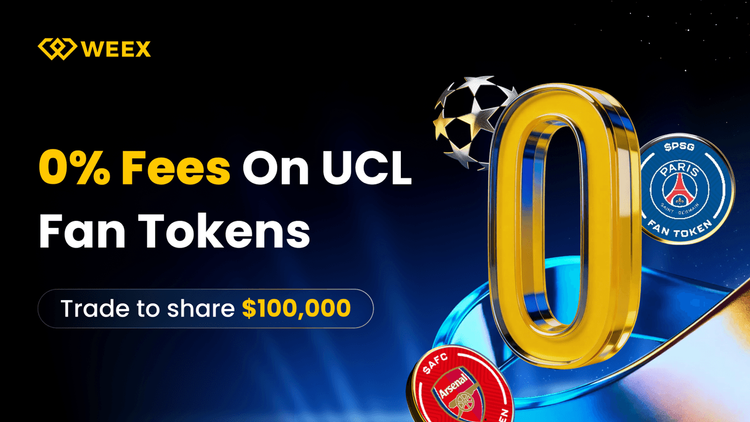
UCL Fan Tokens 2026 Guide: How to Trade UEFA Champions League Crypto with Zero Fees on WEEX
Discover UCL fan tokens like PSG, Barcelona, and Man City. Learn how to trade UEFA Champions League crypto with zero fees and earn rewards on WEEX.
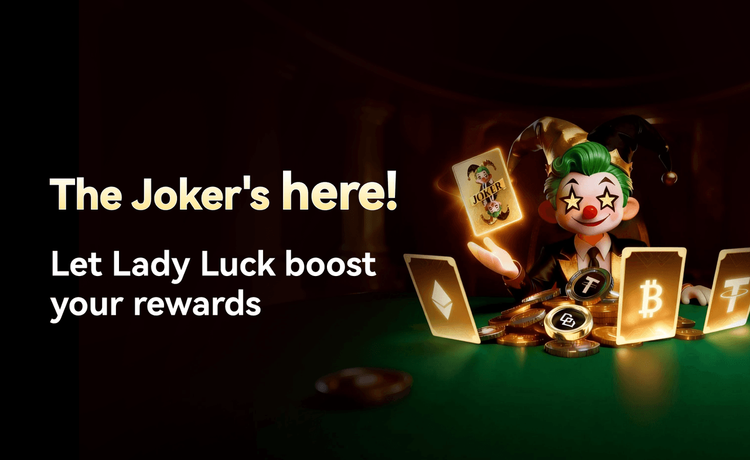
WEEX Poker Party Season 2: Check How to Earn Crypto Rewards Now!
Learn how WEEX Poker Party Season 2 (Joker Card Event) works. Discover rules, scoring, rewards, and strategies to earn crypto rewards through gamified trading.

Yu Weiwen: Steady Development of Hong Kong's Compliant Stablecoin Ecosystem

After TACO Ceasefire, Iran War is Just on Pause

The 17-Year Mystery Will Be Solved, Who is Satoshi Nakamoto?

5 Minutes to Make AI Your Second Brain

Uniswap is trapped in an innovation dilemma

What is the key to competition in crypto banking?

The flow of stablecoins and the spillover effects in the foreign exchange market

After two years, Hong Kong's first batch of stablecoin licenses finally issued: HSBC, Standard Chartered make the cut
The person who helped TAO rise by 90% has now single-handedly crashed the price again today
3-Minute Guide to Participating in the SpaceX IPO on Bitget

Top 5 Cryptos to Buy in 2026 Q1: A ChatGPT Deep Dive Analysis
Explore the top 5 cryptos to buy in Q1 2026 including BTC, ETH, SOL, TAO, and ONDO. See price outlooks, key narratives, and institutional catalysts shaping the next market move.

How to Earn $15,000 with Idle USDT Before Altcoin Season 2026
Wondering if altcoin season is coming in 2026? Get the latest market update, and learn how to turn your idle stablecoins waiting for entry into extra rewards up to 15,000 USDT.
Can You Win Joker Returns Without Large Trading Volume? 5 Mistakes New Players Make In WEEX Joker Returns Season 2
Can small traders win WEEX Joker Returns 2026 without huge volume? Yes—if you avoid these 5 costly mistakes. Learn how to maximize card draws, use Jokers wisely, and turn small deposits into 15,000 USDT rewards.

Altcoin Season 2026: 4 Stages to Profit (Before the Crowd FOMO In)
Altcoin Season 2026 is starting — discover the 4 key stages of capital rotation (from ETH to PEPE) and how to position before the peak. Learn which tokens will lead each phase and avoid missing the rally.
How Do Digital Assets Self-Custody? OpenAI Cofounder's 15-Step Checklist
Circle Product Management Director: The Future of Cross-Chain: Building an Interoperability Technology Stack for Internet Financial Systems
UCL Fan Tokens 2026 Guide: How to Trade UEFA Champions League Crypto with Zero Fees on WEEX
Discover UCL fan tokens like PSG, Barcelona, and Man City. Learn how to trade UEFA Champions League crypto with zero fees and earn rewards on WEEX.
WEEX Poker Party Season 2: Check How to Earn Crypto Rewards Now!
Learn how WEEX Poker Party Season 2 (Joker Card Event) works. Discover rules, scoring, rewards, and strategies to earn crypto rewards through gamified trading.


 App
App