
- Buy Crypto
- Markets
 Futures
- Spot
- Copy Trade
 Earn
Earn- More
OKX Ventures Report: From innovation to pricing, the potential and development path of the DeSci track

Original source: OKX
Decentralized Science DeSci takes blockchain technology as its core and attempts to fundamentally change the structure and operation mode of traditional scientific research.
Under multiple contradictions such as resource concentration, rigid management, and limited knowledge dissemination, the traditional scientific research model has increasingly revealed its inherent defects, and DeSci is emerging as a disruptor, opening up a new scientific research paradigm.
DeSci proposes a new model with the community as the core and transparency as the foundation: through decentralized autonomous organizations (DAOs), the distribution of scientific research funds and resources becomes more equitable; the scientific research process recorded on the chain not only eliminates corruption, but also provides a verifiable trust mechanism for the public and researchers. In addition, DeSci advocates open access to academic achievements, allowing scientific research to break through the barriers of publishing costs, promote data sharing and knowledge dissemination, and provide a new path for science to benefit society.
Although DeSci is still in its early stages of exploration, its potential cannot be ignored. For example, it can break the concentration of resources and opportunities in the traditional scientific research system, improve the accessibility and transparency of research, encourage wider community participation and collaboration, and provide new governance and funding models for scientific research. Just as the open source software revolution has changed the landscape of technology development, DeSci is also expected to become the "open source movement" in the field of scientific research. It not only carries the vision of fair distribution of resources, but is also likely to become an accelerator of scientific democratization, returning the future of scientific research to the global community. DeSci, a new scientific research model that emphasizes transparency, open access and social participation, represents an important direction of change in the field of scientific research. Although DeSci is still in its early stages of development, it provides new possibilities for solving structural problems in the traditional scientific research system.
As a supporter of cutting-edge innovative technologies, OKX Ventures conducted in-depth research on this track and came to the following core conclusions:
Conclusion 1: The DeSci track is hot, but the market is in the early stages of competition
As an emerging field, DeSci has attracted a lot of user attention, but asset liquidity and market maturity are still insufficient. Taking the leading project VitaDAO as an example, its valuation system has not yet stabilized, and its market performance fluctuates violently and has a short cycle. This shows that the overall DeSci ecosystem is still in the early stages of exploration and it will take time to develop to establish mature valuation standards.
Conclusion 2: Scientific research funding projects such as BioDAO face closed-loop challenges
BioDAO is regarded as the "DeFi protocol" in the field of scientific research, and its innovative funding mechanism and clear roadmap lay the foundation for its future development. However, the quantifiable path from financial support to the transformation of scientific research results has not yet been fully opened. The lack of a clear feedback loop may become a major obstacle to attracting trust and financial support in the long run.
Conclusion 3: Meme-driven is the core of DeSci's current narrative
Although the concept of DeSci is rooted in scientific research, the current popularity relies more on Meme-driven. For example, Sci-Hub, as a symbolic symbol of the community, has attracted high participation but insufficient actual conversion. Similarly, the project pump.science encourages "storytelling" teams, but the experimental mechanism needs to be further optimized. If DeSci wants to break through, it needs the support and promotion of authoritative figures in the scientific field.
Conclusion 4: There is still a long way to go for product implementation and marketization
Even for relatively mature projects such as VitaDAO, its main product has not yet formed a significant market influence, and there is a clear gap with traditional scientific research companies such as Altos Lab. Most DeSci projects remain in the proof-of-concept or small-scale experimental stage, and are unable to undertake the complex project management and data verification processes required for serious scientific research. There is still a long way to go before industrialization.
Conclusion 5: Return to the core advantages of blockchain and break through the difficulties of implementation
DeSci's future applications should give full play to the core capabilities of blockchain technology, such as data traceability on the chain, decentralized fund allocation, verifiable academic publishing and peer review, etc. In the short term, it is difficult to implement in combination with complex offline scenarios, so it is more suitable to give priority to the development of scientific research scenarios that adapt to the advantages of blockchain and achieve steady progress.
1. DeSci's methods and use cases
As an innovative application of Web3 technology in the field of scientific research, DeSci is solving the core pain points in traditional science (TradSci) through a series of key methods and specific use cases.
Innovating traditional scientific research methods, DeSci currently provides three key solutions, covering the fairness and decentralization of funding allocation, the openness and security of data and publications, and promoting the reproducibility of scientific research.
In terms of fairness and decentralization of funding allocation, the allocation of traditional scientific research funds is usually concentrated in a few authoritative institutions, while DeSci uses secondary donation mechanisms and decentralized autonomous organizations (DAOs) to achieve transparent management and distribution of funds through smart contracts. This mechanism not only lowers the threshold for researchers to obtain funds, but also provides support for innovative and diverse scientific research projects, and promotes the fair allocation of global scientific research resources.
In terms of the openness and security of data and publications, DeSci stores scientific research data and publications on public ledgers through a decentralized research repository based on blockchain, ensuring that the results are traceable and transparent. Smart contracts provide a fair distribution mechanism for data access, enabling researchers and institutions to share and use key data resources while protecting intellectual property rights.
In terms of promoting the reproducibility of scientific research, validation experiments and data reproducibility are crucial in scientific research. DeSci rewards reproducible research practices by introducing token incentive mechanisms and reputation systems. Blockchain-based smart contracts also support a transparent peer review process to ensure the reliability and authenticity of scientific research findings.
DeSci's four major use cases in practice include the decentralization of academic publishing, transparent management of research funds, innovative models for data sharing and collaboration, and transparency of peer review.
Specifically, first, the DeSci platform establishes a decentralized repository that allows researchers to directly publish their work results. This not only breaks down the barriers of traditional academic journals, but also significantly expands the reach of scientific knowledge, providing a new path for the popularization and advancement of science. Second, the DeSci platform adopts a decentralized funding allocation mechanism to provide transparent support for research projects through crowdfunding and smart contracts. Contributors are rewarded based on the quality of their research work, avoiding corruption and waste of resources in traditional funding management. Third, the DeSci platform based on blockchain technology promotes the secure sharing of research data. Data can be monetized through tokenization while ensuring scientists' ownership of their research results, promoting the efficiency of international scientific research collaboration. Fourth, the DeSci platform enhances the credibility of scientific publications by creating public archives of research contributions and peer review activities through tamper-proof blockchain records. This transparent accountability mechanism promotes a more open academic exchange environment.
As a disruptive force in traditional scientific research, DeSci is redefining scientific governance through technology-driven transparency, openness and fairness. Although this field is still in its early stages of development, its potential is already evident: from academic publishing to data collaboration, from funding allocation to scientific research review, DeSci is gradually becoming a key force in promoting scientific change.

2. Overview of the DeSci Track
Decentralized Science (DeSci) is leading innovative changes at all stages of scientific research through token incentive mechanisms and modular design. From democratizing funding decisions to promoting open access to scientific knowledge, DeSci's goal has always been the same: to break the limitations of traditional scientific research and provide a more transparent and fair scientific research ecosystem for scientists around the world. The following are DeSci's specific practices and achievements in open publishing and decentralized scientific research.
(I) Open Publishing Platform
The traditional scientific publishing process is slow and expensive, while decentralized publishing platforms improve the efficiency of scientific research dissemination through open and instant knowledge sharing. These DeSci platforms allow researchers to publicly publish papers, datasets, and methods, while introducing interactive peer review and social collaboration tools.
ResearchHub introduces a token-based reward mechanism to incentivize peer reviewers to provide professional feedback on published research. Smart contracts automatically pay after the review is completed and verified, ensuring that reviewers receive fair and timely rewards.
DeSci Labs focuses on using blockchain technology to ensure the integrity of scientific data, protect published materials through tamper-proof records, and provide strong anti-censorship and anti-loss capabilities. The DeSci Nodes developed by it allow researchers to create and publish FAIR data standards based research objects, stored in open decentralized data warehouses, connected through permanent unique identifiers and decentralized resolver systems, supporting citations and accumulating academic credit. These research objects include: manuscripts, codes, data sets, videos, etc.
Developers can achieve this through the open publishing platform, build applications on the open data layer, and implement custom coordination and value accumulation mechanisms. The application can also be integrated with other DeSci stack modules, such as using the review results of the publishing platform or OpSci's influential NFT to verify the identity and historical achievements of researchers.
Through the DeSci project, researchers and their datasets, methods and results can be tokenized, including the publication of manuscripts. The traditional journal publishing model that requires payment of upload or access fees will be replaced by a decentralized data layer and market platform. In this model: researchers can freely display manuscripts, similar to the public display of NFTs on platforms such as OpenSea. In addition, platform fees will be levied on users who wish to buy or sell ownership of research results, rather than authors or readers.
As these development and publishing platforms continue to develop, decentralized identity and reputation systems will gradually emerge. These systems will help break down information silos and remove the barriers of traditional "gatekeepers", thereby promoting the free flow of ideas between different research environments.
(II) Research DAO
DAO is one of DeSci's core practices. It is a collective decision-making mechanism coordinated by blockchain and smart contracts that allows community members to jointly fund and manage scientific projects. Research DAOs usually revolve around specific scientific topics, such as longevity, genetics, or environmental science, and allow funders, researchers, and the public to jointly decide on research directions through a tokenized governance model.
For example, in the BIO ecosystem: VitaDao for life and longevity, ValleyDAO for climate change and food security, Athena DAO for women's health, Hair DAO for hair loss treatment, and others like FrontierDAO and VibeBio which are respectively dedicated to research and investment in space, fusion energy, climate and biotechnology startups.
Traditional funding models tend to support large, low-risk projects, while DAOs are able to fund more "small" research with high risk and high innovation potential. DAO's decentralized governance mechanism avoids the bureaucracy of traditional funding agencies and provides greater freedom for scientific research.
(III) Financing and IP Platforms
DeSci's funding and intellectual property (IP) projects promote the democratization of funding, ownership, and commercialization of scientific innovation through blockchain technology. Such projects include issuing tokenized platforms that represent partial ownership of research projects and integrating blockchain-based grant management systems - some research DAOs also adopt these features.
Many DeSci funding platforms support research and protect intellectual property through tokenized assets, allowing community members to issue awards for specific scientific directions, and scientists can apply for these funds for research. In addition, researchers are able to seek community funding and support for independent projects, thereby promoting a more inclusive scientific funding model. This mechanism ensures that funding flows to projects with broad support and enables research efforts to meet the diverse needs of the scientific community.
Molecule is an IP financing and tokenization platform focused on the biopharmaceutical sector. So far, the platform has distributed about $2 million to different research DAOs through its IP-NFT protocol and has driven the entire ecosystem to a TVL of $30 million.
Bio.xyz : An on-chain scientific version of Y Combinator incubated by Molecule, focusing on accelerating scientific innovation.
For scientists, funding is a pain point. They spend a lot of time writing grant applications, but whether they can successfully obtain funding depends largely on their H-index, which is used to quantify the impact of scientists' papers. Under pressure, scientists often chase new hot topics to attract attention. Ultimately, insufficient and unstable funding will not only reduce scientific research output, but also lead to biased selection of research projects and even cause the problem of "replication crisis".
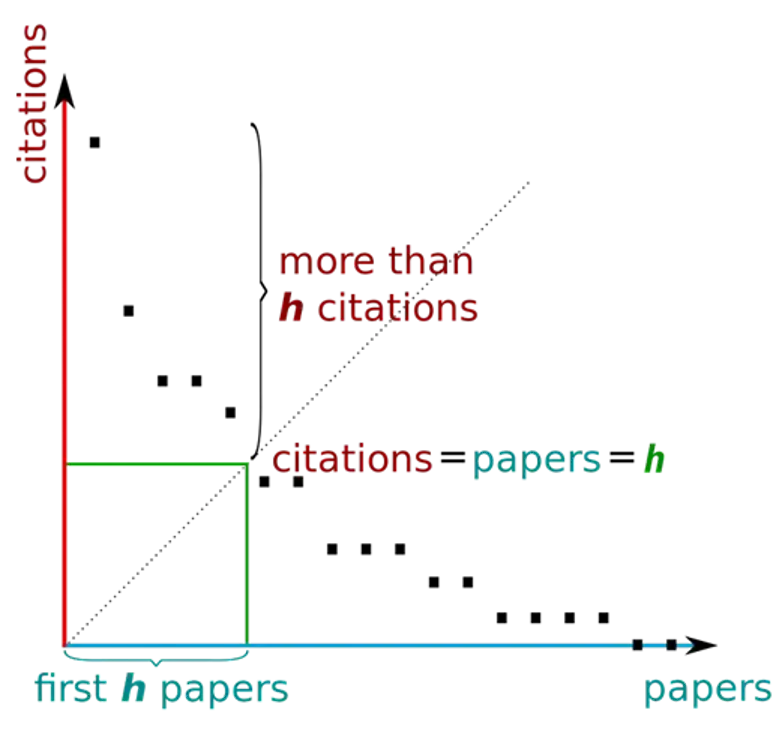
DeSci advocates replacing the h-index with NFTs, which can evaluate other important factors such as expertise, teaching ability, mentoring skills, and collaboration with other scientists. To maintain operations, DAOs can monetize the intellectual property generated by their funded research through the introduction of IP-NFTs. Through the Molecule Marketplace, research projects can be connected with potential investors, and research results are stored in the form of IP-NFT metadata. IP-NFTs provide legal protection for research results and are an innovative alternative to traditional patents. Traditional patents tend to block and restrict data, slowing down scientific discoveries, while IP-NFTs are open and flexible and offer the following monetization methods:
· Licensing IP for commercialization: Authorize intellectual property to other institutions.
· Split ownership with partners: Share value by splitting intellectual property.
· Trade data on the open market: Continue to generate royalty income for creators.
· Lending as collateral: Financing with the value of intellectual property.
· IP-NFTs can also bring about new research coordination mechanisms, such as:
· Access control: Only verified participants can contribute to research and receive compensation.
Over time, many DAOs may evolve from a single funding function to comprehensive communities that cover other aspects of the research economy. In addition to these tokenized seed funding platforms, more decentralized secondary markets may emerge in the future. These markets will enable researchers and funders to transfer ownership of intellectual property or license it to other investors and community members, further promoting the commercialization and cooperation of scientific innovation.
(IV) Medical Data Network
The decentralized medical data network aims to create a safer, more efficient and equitable healthcare system by using distributed databases and collaborative research tools. These platforms can aggregate and analyze diverse datasets (such as clinical trial results, patient records, and genetic data), making data more accessible while protecting patient privacy. This area is particularly critical as the importance of medical data continues to grow, personalized medicine becomes more prevalent, and patients’ demands for data protection and shared control grow.
Given the complexity of the healthcare industry, the goals of decentralized healthcare data networks cover long-term development and diverse priorities:
GenomesDAO provides a decentralized genome database to securely store and share historical genomic data to support long-term drug development.
Life Network: Users can control and monetize DNA data, earn rewards for healthy living, and support researchers and developers to build personalized genomic applications.
Hippocrat develops a system that tracks patient treatment progress in real time and securely shares real-time data between authorized stakeholders.
Data Lake: Allows individuals to tokenize and sell health data and medical records to researchers.
As this field continues to develop, the adoption of decentralized identity systems will gradually increase, enabling seamless and secure access to healthcare services across different service providers and jurisdictions. This will improve the continuity of healthcare services and enhance the overall patient experience.
V. Infrastructure
Infrastructure projects are committed to building secure, scalable, and interoperable systems to meet the diverse needs of the global scientific community. These systems include decentralized governance tools, storage solutions, and systems that can identify users across different platforms and institutions. With these solutions, other DeSci teams can focus on their core scientific research goals without having to worry about the complexity of building and maintaining back-end systems.
1. Decentralized storage and computing
Arweave and Filecoin: Support distributed storage and sharing of scientific data and NFTs (such as IP-NFTs, Impact Certificates).
Bacalhau: Support direct computing (Compute Over Data) of data storage locations and generate unique content identifiers (CIDs) to ensure the repeatability and verifiability of data.
2. Collaboration mechanism and value realization
Lab.bio provides researchers with open access to biological machine learning models and experimental tools without the need for expensive local resource configuration and hosting.
Coordination Network provides AI-driven tools for research aggregation and data extraction, review and drafting of proposals, and recruitment of research candidates.
OpSci: Unlike IP-NFT, OpSci uses "Impact Certificate NFT" to tokenize researchers' identities, qualifications, and projects.
3. Impact Certificate Collaboration Tool
Holonym: zkDID, Web3 Scientist Yellow Pages, allowing users to log in with academic credentials.
Hypercerts: ERC-1155 standard tokens used to track research methods, data sets, and results. Researchers can attract funding by transparently demonstrating research progress while protecting data ownership.
The DeSci collaboration model enables researchers to not only obtain funding more fairly, but also improve the efficiency and credibility of scientific research worldwide through publicly verified data sets. In order to widely promote DeSci, it is crucial to improve the user-friendliness and value of the platform, especially for those who lack Web3 experience. Although some projects choose to build their own infrastructure, modular and flexible components are still necessary.
(VI) DeSci Memes
Scientists face many challenges in obtaining funding in the early stages, and there are also significant difficulties in raising funds through the issuance of memecoin. First, most of the public lack scientific research knowledge and find it difficult to effectively support complex projects. In addition, it usually takes 5 to 10 years for scientific research to go from initial research to actual results, and the price of memecoin fluctuates violently, making it difficult to provide stable funding for long-term research. However, DeSci's liquidity exit mechanism provides flexible funding for scientific research projects, and has indeed helped some scientific research teams at the funding level, bringing actual funding results. Other benefits include:
Cultural communication and promotion: As a cultural output and propaganda tool, DeSci meme effectively directs the attention of the crypto community to the field of DeSci and scientific research.
Incentive mechanism: DeSci meme creates a positive value cycle by allowing funders to participate in gamified incentives and speculative games, which not only increases the liquidity of funds, but also enhances the participation and interests of investors.
III. Introduction to hot projects
(I) BIO DAO
BIO DAO is a startup and acceleration platform focused on decentralized science (DeSci), bringing together scientists, patients and investors, and using blockchain technology to subvert the traditional scientific research funding model. Through the financial infrastructure of the BIO protocol, BIO DAO provides on-chain organizational tools, financing support, and intellectual property (IP) tokenization solutions to create a transparent and efficient scientific research funding ecosystem. Since its inception, BIO DAO has promoted the development of 6 BioDAOs with a total valuation of more than US$180 million, and has put more than US$10 million of scientific research IP on the chain through the Molecule platform.
BIO DAO's financing capabilities have attracted much attention: strategic financing (investors include Binance Labs) and Genesis auctions (raising US$6.22 million) will be completed in 2024. Its core technologies include IP-NFT and IPT token mechanisms, which enable trading and sharing of scientific research results. In addition, BIO DAO supports the implementation of projects such as HairDAO (hair loss treatment) and CerebrumDAO (brain health research), showing the strong potential of decentralized scientific research models. In the field of DeSci, where challenges and opportunities coexist, BIO DAO is opening up a new path for scientific research funding through innovative models and interdisciplinary cooperation.
(II) VitaDAO
VitaDAO is a pioneering program dedicated to extending human lifespan, focusing on supporting early-stage research and development projects in longevity science worldwide. Unlike traditional scientific research funding models, VitaDAO uses blockchain technology and the DAO governance mechanism to allow ordinary investors and professional institutions to participate together, providing more open and diverse investment opportunities. The platform's core governance token $VITA supports token holders to participate in key matters such as funding decisions and intellectual property management, and ensures transparency and fairness in the community through an on-chain voting process. VitaDAO's investment cases in the field of longevity, such as its support for Turn.bio, highlight its keen insight in cutting-edge scientific investment.
VitaDAO executes matters decided by DAO votes through the Canadian entity VitaDAO Global Services, Inc, ensuring that the execution of project funding is concentrated in the protected entity while providing legal protection for token holders. This structure can refuse to execute DAO decisions in extreme cases and allow stakeholders to seek solutions through legal channels. In addition, VitaDAO has also promoted the development of the drug candidate ARTAN-102 through cooperation with Lonza and launched the VitaLabs scholarship program to further promote innovation in the field of longevity for global scientific research talents. In the future, VitaDAO will continue to bring more breakthroughs to longevity science research through decentralized funding and governance models.
(III) PumpScience
Pump.Science is a decentralized science (DeSci) platform launched by Molecule DAO, which aims to provide financial support for longevity research through cryptocurrency and gamification mechanisms. The platform transforms anti-aging research into a participatory prediction game, encouraging the crypto community to fund scientific experiments by purchasing and trading tokens. Users can track the progress of experiments in real time and evaluate the value of experimental results through the appreciation or decline of tokens. Through this innovative model, Pump.Science hopes to open up new paths in the field of DeSci, promote the commercialization of longevity science, and accelerate the transformation of research results.
Pump.Science’s operating model involves drug developers submitting experimental proposals and paying SOL tokens as experimental fees, and then raising funds on the platform by issuing tokens. Experiments are divided into multiple levels, from nematode experiments to mouse experiments, and different research progress is unlocked based on the token sales. Experimental data is updated live in real time, allowing participants to participate and evaluate scientific research results. The platform provides flexible and continuous funding support through a token incentive mechanism, breaking through the limitations of traditional scientific research funding. Although ethical review and experimental design still need to be improved, its gamification and decentralized model has brought new impetus to the field of scientific research.
(IV) Sci-Hub
Sci-Hub, founded in 2011 by Kazakh graduate student Alexandra Elbakian, aims to bypass the paywalls of academic publishers and provide free access to scientific research papers. It has stored more than 85 million academic articles as of February 2021, becoming an important resource for the global academic community, especially in academic institutions that cannot afford high subscription fees. Although its operations have sparked multiple legal disputes with publishers such as Elsevier, Elbakian insists that many scientific research results are funded by the government and should be open to the public. Recently, Sci-Hub launched the SCIHUB token to maintain platform operations and promote community participation, but this token has also sparked controversy over the way funds are raised.
The launch of the SCIHUB token aims to raise funds through cryptocurrency to maintain the operation of Sci-Hub and promote the platform ecosystem. Founder Elbakian can sell up to 1% of the tokens (about 10 million) per month, with the goal of raising $20,000. However, some people believe that raising funds by hyping meme coins is inconsistent with the original intention of helping scientific research, and the tokens lack actual value, and even accuse it of having a "rat warehouse" problem. However, some supporters believe that this method is an innovative funding model that can increase the sense of community participation, similar to the concept of lottery, and inspire more people to support scientific research. The future application and value of SCIHUB tokens still need to be further developed and verified.
(V) ResearchHub
ResearchHub (RH) is a decentralized scientific research platform co-founded by CoinBase CEO Brian Armstrong, aiming to break the closed nature of traditional peer-reviewed journals. The core concept of RH is to make scientific research results no longer hidden behind paywalls. Scientists can publish, like and comment on research results on the platform, similar to HackerNews in the scientific community. In addition, RH pays a peer review fee of $150 for each article, which is particularly popular among researchers in developing countries. Since its inception, RH has completed 2,800 peer reviews, with a turnaround time much lower than that of traditional journal systems. With US legislation requiring open access to federally funded research, RH announced that it will expand into a journal platform, launching free preprints, open access publishing and paid peer review services.
ResearchHub is not only a decentralized science platform, but also part of the "open science" movement. By providing open peer review and fast article processing, RH has greatly improved the efficiency of scientific research. One of RH's core innovations is the introduction of prediction markets, which promote the replicability and verifiability of scientific research results by pre-registering and predicting research results. RH plans to redefine the "real" scientific research standards through this innovative mechanism, especially under the funding and time pressures generally faced by the academic community, to provide researchers with a more efficient and fair working environment.
(VI) Life Network
Life Network is an emerging platform focusing on biotechnology, longevity and artificial intelligence, dedicated to promoting research and innovation in genetic data through DAO and platform mechanisms. The core mechanisms of the project include: DAO mechanism, which incentivizes researchers to conduct the required genetic and health-related research through blockchain, and promotes scientific exploration of genetic data. Platform mechanism, users upload their DNA data to the network, and researchers and developers can conduct research or develop AI-driven applications based on these data. Life Network hopes to maintain long-term user engagement and promote continuous data contribution by continuously providing services and analysis.
DNA sampling and gene sequencing technologies are becoming increasingly mature, and companies such as 23andMe already have more than 14.8 million users, driving the rapid growth of the global genomics market. Life Network has taken a place in this rapidly growing market by providing decentralized genetic data storage and privacy protection solutions. Its core products include: Life Network, a decentralized platform that enables users to manage their own DNA data, and ensures data ownership and privacy protection through methods such as GeneNFT, while providing researchers with data access transparency. Life App, an attractive mobile application that provides personalized genetic analysis and health advice, and provides users with customized health services through Life Marketplace. The project ensures the privacy, security and transparency of user data through the support of blockchain technology, while maximizing the commercial potential of genetic data and promoting innovation in fields such as medical care, nutrition and behavioral health.
4. Challenges and risks in the development of DeSci
OKX Ventures believes that although decentralized science (DeSci) has shown great potential, it still faces many challenges in its development. Although its innovative protocols and models have attracted widespread attention in the field of scientific research, it still takes time to verify whether it can successfully capture value and achieve sustainable operations.
In terms of intellectual property management, DeSci is facing a major test of commercialization. The uncertainty of scientific research results makes the model of tokenizing intellectual property through IP-NFT full of risks. If the community cannot effectively convert these intellectual property rights into a sustainable source of income, the economic structure of the project will be affected. At the same time, cooperation with traditional scientific research institutions often means the transfer of most IPs, which requires DAO to invest a lot of resources in complex negotiations and increase the cost of operation.
In terms of verifiability, decentralized identity and data verification protocols are still in their early stages. Researchers may obtain funding by falsifying qualifications or even engage in illegal research, which increases the risk. At the same time, the high proportion of false papers in open access journals affects the credibility of research and leads to uneven scientific quality. Therefore, there is an urgent need to establish a strong reputation and governance system to ensure the reliability of research results.
Although open and verifiable methods help improve the reproducibility of research, DeSci currently lacks sufficient incentive mechanisms to promote replication research and verification work. At present, the scientific research community's support for validation research is relatively weak, which directly affects the robustness and reliability of scientific discoveries.
Compliance issues are also a major challenge in DeSci's development. Decentralized storage protocols may not fully comply with data privacy regulations such as GDPR and HIPAA, which means that projects must work closely with regulators to ensure compliance. In addition, many open science platforms have difficulty maintaining low-cost operations, which limits their appeal to more researchers and affects the long-term sustainability of projects.
In addition, gender imbalance also restricts DeSci's further development. At present, the scientific research field is still dominated by men, which may lead to the neglect of some research directions, especially issues such as women's health. Promoting diverse participation in gender and background is crucial to ensure the comprehensiveness and fairness of scientific research.
Despite these challenges, DeSci still has great development potential. To achieve its goals, DeSci must make breakthroughs in solving intellectual property commercialization, strengthening data verification systems, establishing incentive mechanisms, ensuring compliance, and promoting diverse participation. As these issues are gradually resolved, DeSci is expected to bring profound changes to global scientific research.
V. Disclaimer
This content is for reference only and does not constitute and should not be considered as (i) investment advice or recommendation, (ii) an offer or solicitation to buy, sell or hold digital assets, or (iii) financial, accounting, legal or tax advice. We do not guarantee the accuracy, completeness or usefulness of such information. Digital assets (including stablecoins and NFTs) are subject to market fluctuations, involve high risks, may depreciate or even become worthless. You should carefully consider whether trading or holding digital assets is suitable for you based on your financial situation and risk tolerance. Please consult your legal/tax/investment professional for your specific situation. Not all products are available in all regions. For more details, please refer to the OKX Terms of Service and Risk Disclosure & Disclaimer. OKX Web3 mobile wallet and its derivative services are subject to separate terms of service. Please be responsible for understanding and complying with local applicable laws and regulations.
This article is from a contribution and does not represent the views of BlockBeats
You may also like

Token Cannot Compound, Where Is the Real Investment Opportunity?

February 6th Market Key Intelligence, How Much Did You Miss?

China's Central Bank and Eight Other Departments' Latest Regulatory Focus: Key Attention to RWA Tokenized Asset Risk
Foreword: Today, the People's Bank of China's website published the "Notice of the People's Bank of China, National Development and Reform Commission, Ministry of Industry and Information Technology, Ministry of Public Security, State Administration for Market Regulation, China Banking and Insurance Regulatory Commission, China Securities Regulatory Commission, State Administration of Foreign Exchange on Further Preventing and Dealing with Risks Related to Virtual Currency and Others (Yinfa [2026] No. 42)", the latest regulatory requirements from the eight departments including the central bank, which are basically consistent with the regulatory requirements of recent years. The main focus of the regulation is on speculative activities such as virtual currency trading, exchanges, ICOs, overseas platform services, and this time, regulatory oversight of RWA has been added, explicitly prohibiting RWA tokenization, stablecoins (especially those pegged to the RMB). The following is the full text:
To the people's governments of all provinces, autonomous regions, and municipalities directly under the Central Government, the Xinjiang Production and Construction Corps:
Recently, there have been speculative activities related to virtual currency and Real-World Assets (RWA) tokenization, disrupting the economic and financial order and jeopardizing the property security of the people. In order to further prevent and address the risks related to virtual currency and Real-World Assets tokenization, effectively safeguard national security and social stability, in accordance with the "Law of the People's Republic of China on the People's Bank of China," "Law of the People's Republic of China on Commercial Banks," "Securities Law of the People's Republic of China," "Law of the People's Republic of China on Securities Investment Funds," "Law of the People's Republic of China on Futures and Derivatives," "Cybersecurity Law of the People's Republic of China," "Regulations of the People's Republic of China on the Administration of Renminbi," "Regulations on Prevention and Disposal of Illegal Fundraising," "Regulations of the People's Republic of China on Foreign Exchange Administration," "Telecommunications Regulations of the People's Republic of China," and other provisions, after reaching consensus with the Cyberspace Administration of China, the Supreme People's Court, and the Supreme People's Procuratorate, and with the approval of the State Council, the relevant matters are notified as follows:
(I) Virtual currency does not possess the legal status equivalent to fiat currency. Virtual currencies such as Bitcoin, Ether, Tether, etc., have the main characteristics of being issued by non-monetary authorities, using encryption technology and distributed ledger or similar technology, existing in digital form, etc. They do not have legal tender status, should not and cannot be circulated and used as currency in the market.
The business activities related to virtual currency are classified as illegal financial activities. The exchange of fiat currency and virtual currency within the territory, exchange of virtual currencies, acting as a central counterparty in buying and selling virtual currencies, providing information intermediary and pricing services for virtual currency transactions, token issuance financing, and trading of virtual currency-related financial products, etc., fall under illegal financial activities, such as suspected illegal issuance of token vouchers, unauthorized public issuance of securities, illegal operation of securities and futures business, illegal fundraising, etc., are strictly prohibited across the board and resolutely banned in accordance with the law. Overseas entities and individuals are not allowed to provide virtual currency-related services to domestic entities in any form.
A stablecoin pegged to a fiat currency indirectly fulfills some functions of the fiat currency in circulation. Without the consent of relevant authorities in accordance with the law and regulations, any domestic or foreign entity or individual is not allowed to issue a RMB-pegged stablecoin overseas.
(II)Tokenization of Real-World Assets refers to the use of encryption technology and distributed ledger or similar technologies to transform ownership rights, income rights, etc., of assets into tokens (tokens) or other interests or bond certificates with token (token) characteristics, and carry out issuance and trading activities.
Engaging in the tokenization of real-world assets domestically, as well as providing related intermediary, information technology services, etc., which are suspected of illegal issuance of token vouchers, unauthorized public offering of securities, illegal operation of securities and futures business, illegal fundraising, and other illegal financial activities, shall be prohibited; except for relevant business activities carried out with the approval of the competent authorities in accordance with the law and regulations and relying on specific financial infrastructures. Overseas entities and individuals are not allowed to illegally provide services related to the tokenization of real-world assets to domestic entities in any form.
(III) Inter-agency Coordination. The People's Bank of China, together with the National Development and Reform Commission, the Ministry of Industry and Information Technology, the Ministry of Public Security, the State Administration for Market Regulation, the China Banking and Insurance Regulatory Commission, the China Securities Regulatory Commission, the State Administration of Foreign Exchange, and other departments, will improve the work mechanism, strengthen coordination with the Cyberspace Administration of China, the Supreme People's Court, and the Supreme People's Procuratorate, coordinate efforts, and overall guide regions to carry out risk prevention and disposal of virtual currency-related illegal financial activities.
The China Securities Regulatory Commission, together with the National Development and Reform Commission, the Ministry of Industry and Information Technology, the Ministry of Public Security, the People's Bank of China, the State Administration for Market Regulation, the China Banking and Insurance Regulatory Commission, the State Administration of Foreign Exchange, and other departments, will improve the work mechanism, strengthen coordination with the Cyberspace Administration of China, the Supreme People's Court, and the Supreme People's Procuratorate, coordinate efforts, and overall guide regions to carry out risk prevention and disposal of illegal financial activities related to the tokenization of real-world assets.
(IV) Strengthening Local Implementation. The people's governments at the provincial level are overall responsible for the prevention and disposal of risks related to virtual currencies and the tokenization of real-world assets in their respective administrative regions. The specific leading department is the local financial regulatory department, with participation from branches and dispatched institutions of the State Council's financial regulatory department, telecommunications regulators, public security, market supervision, and other departments, in coordination with cyberspace departments, courts, and procuratorates, to improve the normalization of the work mechanism, effectively connect with the relevant work mechanisms of central departments, form a cooperative and coordinated working pattern between central and local governments, effectively prevent and properly handle risks related to virtual currencies and the tokenization of real-world assets, and maintain economic and financial order and social stability.
(5) Enhanced Risk Monitoring. The People's Bank of China, China Securities Regulatory Commission, National Development and Reform Commission, Ministry of Industry and Information Technology, Ministry of Public Security, State Administration of Foreign Exchange, Cyberspace Administration of China, and other departments continue to improve monitoring techniques and system support, enhance cross-departmental data analysis and sharing, establish sound information sharing and cross-validation mechanisms, promptly grasp the risk situation of activities related to virtual currency and real-world asset tokenization. Local governments at all levels give full play to the role of local monitoring and early warning mechanisms. Local financial regulatory authorities, together with branches and agencies of the State Council's financial regulatory authorities, as well as departments of cyberspace and public security, ensure effective connection between online monitoring, offline investigation, and fund tracking, efficiently and accurately identify activities related to virtual currency and real-world asset tokenization, promptly share risk information, improve early warning information dissemination, verification, and rapid response mechanisms.
(6) Strengthened Oversight of Financial Institutions, Intermediaries, and Technology Service Providers. Financial institutions (including non-bank payment institutions) are prohibited from providing account opening, fund transfer, and clearing services for virtual currency-related business activities, issuing and selling financial products related to virtual currency, including virtual currency and related financial products in the scope of collateral, conducting insurance business related to virtual currency, or including virtual currency in the scope of insurance liability. Financial institutions (including non-bank payment institutions) are prohibited from providing custody, clearing, and settlement services for unauthorized real-world asset tokenization-related business and related financial products. Relevant intermediary institutions and information technology service providers are prohibited from providing intermediary, technical, or other services for unauthorized real-world asset tokenization-related businesses and related financial products.
(7) Enhanced Management of Internet Information Content and Access. Internet enterprises are prohibited from providing online business venues, commercial displays, marketing, advertising, or paid traffic diversion services for virtual currency and real-world asset tokenization-related business activities. Upon discovering clues of illegal activities, they should promptly report to relevant departments and provide technical support and assistance for related investigations and inquiries. Based on the clues transferred by the financial regulatory authorities, the cyberspace administration, telecommunications authorities, and public security departments should promptly close and deal with websites, mobile applications (including mini-programs), and public accounts engaged in virtual currency and real-world asset tokenization-related business activities in accordance with the law.
(8) Strengthened Entity Registration and Advertisement Management. Market supervision departments strengthen entity registration and management, and enterprise and individual business registrations must not contain terms such as "virtual currency," "virtual asset," "cryptocurrency," "crypto asset," "stablecoin," "real-world asset tokenization," or "RWA" in their names or business scopes. Market supervision departments, together with financial regulatory authorities, legally enhance the supervision of advertisements related to virtual currency and real-world asset tokenization, promptly investigating and handling relevant illegal advertisements.
(IX) Continued Rectification of Virtual Currency Mining Activities. The National Development and Reform Commission, together with relevant departments, strictly controls virtual currency mining activities, continuously promotes the rectification of virtual currency mining activities. The people's governments of various provinces take overall responsibility for the rectification of "mining" within their respective administrative regions. In accordance with the requirements of the National Development and Reform Commission and other departments in the "Notice on the Rectification of Virtual Currency Mining Activities" (NDRC Energy-saving Building [2021] No. 1283) and the provisions of the "Guidance Catalog for Industrial Structure Adjustment (2024 Edition)," a comprehensive review, investigation, and closure of existing virtual currency mining projects are conducted, new mining projects are strictly prohibited, and mining machine production enterprises are strictly prohibited from providing mining machine sales and other services within the country.
(X) Severe Crackdown on Related Illegal Financial Activities. Upon discovering clues to illegal financial activities related to virtual currency and the tokenization of real-world assets, local financial regulatory authorities, branches of the State Council's financial regulatory authorities, and other relevant departments promptly investigate, determine, and properly handle the issues in accordance with the law, and seriously hold the relevant entities and individuals legally responsible. Those suspected of crimes are transferred to the judicial authorities for processing according to the law.
(XI) Severe Crackdown on Related Illegal and Criminal Activities. The Ministry of Public Security, the People's Bank of China, the State Administration for Market Regulation, the China Banking and Insurance Regulatory Commission, the China Securities Regulatory Commission, as well as judicial and procuratorial organs, in accordance with their respective responsibilities, rigorously crack down on illegal and criminal activities related to virtual currency, the tokenization of real-world assets, such as fraud, money laundering, illegal business operations, pyramid schemes, illegal fundraising, and other illegal and criminal activities carried out under the guise of virtual currency, the tokenization of real-world assets, etc.
(XII) Strengthen Industry Self-discipline. Relevant industry associations should enhance membership management and policy advocacy, based on their own responsibilities, advocate and urge member units to resist illegal financial activities related to virtual currency and the tokenization of real-world assets. Member units that violate regulatory policies and industry self-discipline rules are to be disciplined in accordance with relevant self-regulatory management regulations. By leveraging various industry infrastructure, conduct risk monitoring related to virtual currency, the tokenization of real-world assets, and promptly transfer issue clues to relevant departments.
(XIII) Without the approval of relevant departments in accordance with the law and regulations, domestic entities and foreign entities controlled by them may not issue virtual currency overseas.
(XIV) Domestic entities engaging directly or indirectly in overseas external debt-based tokenization of real-world assets, or conducting asset securitization activities abroad based on domestic ownership rights, income rights, etc. (hereinafter referred to as domestic equity), should be strictly regulated in accordance with the principles of "same business, same risk, same rules." The National Development and Reform Commission, the China Securities Regulatory Commission, the State Administration of Foreign Exchange, and other relevant departments regulate it according to their respective responsibilities. For other forms of overseas real-world asset tokenization activities based on domestic equity by domestic entities, the China Securities Regulatory Commission, together with relevant departments, supervise according to their division of responsibilities. Without the consent and filing of relevant departments, no unit or individual may engage in the above-mentioned business.
(15) Overseas subsidiaries and branches of domestic financial institutions providing Real World Asset Tokenization-related services overseas shall do so legally and prudently. They shall have professional personnel and systems in place to effectively mitigate business risks, strictly implement customer onboarding, suitability management, anti-money laundering requirements, and incorporate them into the domestic financial institutions' compliance and risk management system. Intermediaries and information technology service providers offering Real World Asset Tokenization services abroad based on domestic equity or conducting Real World Asset Tokenization business in the form of overseas debt for domestic entities directly or indirectly venturing abroad must strictly comply with relevant laws and regulations. They should establish and improve relevant compliance and internal control systems in accordance with relevant normative requirements, strengthen business and risk control, and report the business developments to the relevant regulatory authorities for approval or filing.
(16) Strengthen organizational leadership and overall coordination. All departments and regions should attach great importance to the prevention of risks related to virtual currencies and Real World Asset Tokenization, strengthen organizational leadership, clarify work responsibilities, form a long-term effective working mechanism with centralized coordination, local implementation, and shared responsibilities, maintain high pressure, dynamically monitor risks, effectively prevent and mitigate risks in an orderly and efficient manner, legally protect the property security of the people, and make every effort to maintain economic and financial order and social stability.
(17) Widely carry out publicity and education. All departments, regions, and industry associations should make full use of various media and other communication channels to disseminate information through legal and policy interpretation, analysis of typical cases, and education on investment risks, etc. They should promote the illegality and harm of virtual currencies and Real World Asset Tokenization-related businesses and their manifestations, fully alert to potential risks and hidden dangers, and enhance public awareness and identification capabilities for risk prevention.
(18) Engaging in illegal financial activities related to virtual currencies and Real World Asset Tokenization in violation of this notice, as well as providing services for virtual currencies and Real World Asset Tokenization-related businesses, shall be punished in accordance with relevant regulations. If it constitutes a crime, criminal liability shall be pursued according to the law. For domestic entities and individuals who knowingly or should have known that overseas entities illegally provided virtual currency or Real World Asset Tokenization-related services to domestic entities and still assisted them, relevant responsibilities shall be pursued according to the law. If it constitutes a crime, criminal liability shall be pursued according to the law.
(19) If any unit or individual invests in virtual currencies, Real World Asset Tokens, and related financial products against public order and good customs, the relevant civil legal actions shall be invalid, and any resulting losses shall be borne by them. If there are suspicions of disrupting financial order and jeopardizing financial security, the relevant departments shall deal with them according to the law.
This notice shall enter into force upon the date of its issuance. The People's Bank of China and ten other departments' "Notice on Further Preventing and Dealing with the Risks of Virtual Currency Trading Speculation" (Yinfa [2021] No. 237) is hereby repealed.

Former Partner's Perspective on Multicoin: Kyle's Exit, But the Game He Left Behind Just Getting Started
Why Bitcoin Is Falling Now: The Real Reasons Behind BTC's Crash & WEEX's Smart Profit Playbook
Bitcoin's ongoing crash explained: Discover the 5 hidden triggers behind BTC's plunge & how WEEX's Auto Earn and Trade to Earn strategies help traders profit from crypto market volatility.

Wall Street's Hottest Trades See Exodus

Vitalik Discusses Ethereum Scaling Path, Circle Announces Partnership with Polymarket, What's the Overseas Crypto Community Talking About Today?

Believing in the Capital Markets - The Essence and Core Value of Cryptocurrency

Polymarket's 'Weatherman': Predict Temperature, Win Million-Dollar Payout

$15K+ Profits: The 4 AI Trading Secrets WEEX Hackathon Prelim Winners Used to Dominate Volatile Crypto Markets
How WEEX Hackathon's top AI trading strategies made $15K+ in crypto markets: 4 proven rules for ETH/BTC trading, market structure analysis, and risk management in volatile conditions.

A nearly 20% one-day plunge, how long has it been since you last saw a $60,000 Bitcoin?

Raoul Pal: I've seen every single panic, and they are never the end.

Key Market Information Discrepancy on February 6th - A Must-Read! | Alpha Morning Report

2026 Crypto Industry's First Snowfall
The Harsh Reality Behind the $26 Billion Crypto Liquidation: Liquidity Is Killing the Market
Why Is Gold, US Stocks, Bitcoin All Falling?

Key Market Intelligence for February 5th, how much did you miss out on?

Wintermute: By 2026, crypto had gradually become the settlement layer of the Internet economy
Token Cannot Compound, Where Is the Real Investment Opportunity?
February 6th Market Key Intelligence, How Much Did You Miss?
China's Central Bank and Eight Other Departments' Latest Regulatory Focus: Key Attention to RWA Tokenized Asset Risk
Foreword: Today, the People's Bank of China's website published the "Notice of the People's Bank of China, National Development and Reform Commission, Ministry of Industry and Information Technology, Ministry of Public Security, State Administration for Market Regulation, China Banking and Insurance Regulatory Commission, China Securities Regulatory Commission, State Administration of Foreign Exchange on Further Preventing and Dealing with Risks Related to Virtual Currency and Others (Yinfa [2026] No. 42)", the latest regulatory requirements from the eight departments including the central bank, which are basically consistent with the regulatory requirements of recent years. The main focus of the regulation is on speculative activities such as virtual currency trading, exchanges, ICOs, overseas platform services, and this time, regulatory oversight of RWA has been added, explicitly prohibiting RWA tokenization, stablecoins (especially those pegged to the RMB). The following is the full text:
To the people's governments of all provinces, autonomous regions, and municipalities directly under the Central Government, the Xinjiang Production and Construction Corps:
Recently, there have been speculative activities related to virtual currency and Real-World Assets (RWA) tokenization, disrupting the economic and financial order and jeopardizing the property security of the people. In order to further prevent and address the risks related to virtual currency and Real-World Assets tokenization, effectively safeguard national security and social stability, in accordance with the "Law of the People's Republic of China on the People's Bank of China," "Law of the People's Republic of China on Commercial Banks," "Securities Law of the People's Republic of China," "Law of the People's Republic of China on Securities Investment Funds," "Law of the People's Republic of China on Futures and Derivatives," "Cybersecurity Law of the People's Republic of China," "Regulations of the People's Republic of China on the Administration of Renminbi," "Regulations on Prevention and Disposal of Illegal Fundraising," "Regulations of the People's Republic of China on Foreign Exchange Administration," "Telecommunications Regulations of the People's Republic of China," and other provisions, after reaching consensus with the Cyberspace Administration of China, the Supreme People's Court, and the Supreme People's Procuratorate, and with the approval of the State Council, the relevant matters are notified as follows:
(I) Virtual currency does not possess the legal status equivalent to fiat currency. Virtual currencies such as Bitcoin, Ether, Tether, etc., have the main characteristics of being issued by non-monetary authorities, using encryption technology and distributed ledger or similar technology, existing in digital form, etc. They do not have legal tender status, should not and cannot be circulated and used as currency in the market.
The business activities related to virtual currency are classified as illegal financial activities. The exchange of fiat currency and virtual currency within the territory, exchange of virtual currencies, acting as a central counterparty in buying and selling virtual currencies, providing information intermediary and pricing services for virtual currency transactions, token issuance financing, and trading of virtual currency-related financial products, etc., fall under illegal financial activities, such as suspected illegal issuance of token vouchers, unauthorized public issuance of securities, illegal operation of securities and futures business, illegal fundraising, etc., are strictly prohibited across the board and resolutely banned in accordance with the law. Overseas entities and individuals are not allowed to provide virtual currency-related services to domestic entities in any form.
A stablecoin pegged to a fiat currency indirectly fulfills some functions of the fiat currency in circulation. Without the consent of relevant authorities in accordance with the law and regulations, any domestic or foreign entity or individual is not allowed to issue a RMB-pegged stablecoin overseas.
(II)Tokenization of Real-World Assets refers to the use of encryption technology and distributed ledger or similar technologies to transform ownership rights, income rights, etc., of assets into tokens (tokens) or other interests or bond certificates with token (token) characteristics, and carry out issuance and trading activities.
Engaging in the tokenization of real-world assets domestically, as well as providing related intermediary, information technology services, etc., which are suspected of illegal issuance of token vouchers, unauthorized public offering of securities, illegal operation of securities and futures business, illegal fundraising, and other illegal financial activities, shall be prohibited; except for relevant business activities carried out with the approval of the competent authorities in accordance with the law and regulations and relying on specific financial infrastructures. Overseas entities and individuals are not allowed to illegally provide services related to the tokenization of real-world assets to domestic entities in any form.
(III) Inter-agency Coordination. The People's Bank of China, together with the National Development and Reform Commission, the Ministry of Industry and Information Technology, the Ministry of Public Security, the State Administration for Market Regulation, the China Banking and Insurance Regulatory Commission, the China Securities Regulatory Commission, the State Administration of Foreign Exchange, and other departments, will improve the work mechanism, strengthen coordination with the Cyberspace Administration of China, the Supreme People's Court, and the Supreme People's Procuratorate, coordinate efforts, and overall guide regions to carry out risk prevention and disposal of virtual currency-related illegal financial activities.
The China Securities Regulatory Commission, together with the National Development and Reform Commission, the Ministry of Industry and Information Technology, the Ministry of Public Security, the People's Bank of China, the State Administration for Market Regulation, the China Banking and Insurance Regulatory Commission, the State Administration of Foreign Exchange, and other departments, will improve the work mechanism, strengthen coordination with the Cyberspace Administration of China, the Supreme People's Court, and the Supreme People's Procuratorate, coordinate efforts, and overall guide regions to carry out risk prevention and disposal of illegal financial activities related to the tokenization of real-world assets.
(IV) Strengthening Local Implementation. The people's governments at the provincial level are overall responsible for the prevention and disposal of risks related to virtual currencies and the tokenization of real-world assets in their respective administrative regions. The specific leading department is the local financial regulatory department, with participation from branches and dispatched institutions of the State Council's financial regulatory department, telecommunications regulators, public security, market supervision, and other departments, in coordination with cyberspace departments, courts, and procuratorates, to improve the normalization of the work mechanism, effectively connect with the relevant work mechanisms of central departments, form a cooperative and coordinated working pattern between central and local governments, effectively prevent and properly handle risks related to virtual currencies and the tokenization of real-world assets, and maintain economic and financial order and social stability.
(5) Enhanced Risk Monitoring. The People's Bank of China, China Securities Regulatory Commission, National Development and Reform Commission, Ministry of Industry and Information Technology, Ministry of Public Security, State Administration of Foreign Exchange, Cyberspace Administration of China, and other departments continue to improve monitoring techniques and system support, enhance cross-departmental data analysis and sharing, establish sound information sharing and cross-validation mechanisms, promptly grasp the risk situation of activities related to virtual currency and real-world asset tokenization. Local governments at all levels give full play to the role of local monitoring and early warning mechanisms. Local financial regulatory authorities, together with branches and agencies of the State Council's financial regulatory authorities, as well as departments of cyberspace and public security, ensure effective connection between online monitoring, offline investigation, and fund tracking, efficiently and accurately identify activities related to virtual currency and real-world asset tokenization, promptly share risk information, improve early warning information dissemination, verification, and rapid response mechanisms.
(6) Strengthened Oversight of Financial Institutions, Intermediaries, and Technology Service Providers. Financial institutions (including non-bank payment institutions) are prohibited from providing account opening, fund transfer, and clearing services for virtual currency-related business activities, issuing and selling financial products related to virtual currency, including virtual currency and related financial products in the scope of collateral, conducting insurance business related to virtual currency, or including virtual currency in the scope of insurance liability. Financial institutions (including non-bank payment institutions) are prohibited from providing custody, clearing, and settlement services for unauthorized real-world asset tokenization-related business and related financial products. Relevant intermediary institutions and information technology service providers are prohibited from providing intermediary, technical, or other services for unauthorized real-world asset tokenization-related businesses and related financial products.
(7) Enhanced Management of Internet Information Content and Access. Internet enterprises are prohibited from providing online business venues, commercial displays, marketing, advertising, or paid traffic diversion services for virtual currency and real-world asset tokenization-related business activities. Upon discovering clues of illegal activities, they should promptly report to relevant departments and provide technical support and assistance for related investigations and inquiries. Based on the clues transferred by the financial regulatory authorities, the cyberspace administration, telecommunications authorities, and public security departments should promptly close and deal with websites, mobile applications (including mini-programs), and public accounts engaged in virtual currency and real-world asset tokenization-related business activities in accordance with the law.
(8) Strengthened Entity Registration and Advertisement Management. Market supervision departments strengthen entity registration and management, and enterprise and individual business registrations must not contain terms such as "virtual currency," "virtual asset," "cryptocurrency," "crypto asset," "stablecoin," "real-world asset tokenization," or "RWA" in their names or business scopes. Market supervision departments, together with financial regulatory authorities, legally enhance the supervision of advertisements related to virtual currency and real-world asset tokenization, promptly investigating and handling relevant illegal advertisements.
(IX) Continued Rectification of Virtual Currency Mining Activities. The National Development and Reform Commission, together with relevant departments, strictly controls virtual currency mining activities, continuously promotes the rectification of virtual currency mining activities. The people's governments of various provinces take overall responsibility for the rectification of "mining" within their respective administrative regions. In accordance with the requirements of the National Development and Reform Commission and other departments in the "Notice on the Rectification of Virtual Currency Mining Activities" (NDRC Energy-saving Building [2021] No. 1283) and the provisions of the "Guidance Catalog for Industrial Structure Adjustment (2024 Edition)," a comprehensive review, investigation, and closure of existing virtual currency mining projects are conducted, new mining projects are strictly prohibited, and mining machine production enterprises are strictly prohibited from providing mining machine sales and other services within the country.
(X) Severe Crackdown on Related Illegal Financial Activities. Upon discovering clues to illegal financial activities related to virtual currency and the tokenization of real-world assets, local financial regulatory authorities, branches of the State Council's financial regulatory authorities, and other relevant departments promptly investigate, determine, and properly handle the issues in accordance with the law, and seriously hold the relevant entities and individuals legally responsible. Those suspected of crimes are transferred to the judicial authorities for processing according to the law.
(XI) Severe Crackdown on Related Illegal and Criminal Activities. The Ministry of Public Security, the People's Bank of China, the State Administration for Market Regulation, the China Banking and Insurance Regulatory Commission, the China Securities Regulatory Commission, as well as judicial and procuratorial organs, in accordance with their respective responsibilities, rigorously crack down on illegal and criminal activities related to virtual currency, the tokenization of real-world assets, such as fraud, money laundering, illegal business operations, pyramid schemes, illegal fundraising, and other illegal and criminal activities carried out under the guise of virtual currency, the tokenization of real-world assets, etc.
(XII) Strengthen Industry Self-discipline. Relevant industry associations should enhance membership management and policy advocacy, based on their own responsibilities, advocate and urge member units to resist illegal financial activities related to virtual currency and the tokenization of real-world assets. Member units that violate regulatory policies and industry self-discipline rules are to be disciplined in accordance with relevant self-regulatory management regulations. By leveraging various industry infrastructure, conduct risk monitoring related to virtual currency, the tokenization of real-world assets, and promptly transfer issue clues to relevant departments.
(XIII) Without the approval of relevant departments in accordance with the law and regulations, domestic entities and foreign entities controlled by them may not issue virtual currency overseas.
(XIV) Domestic entities engaging directly or indirectly in overseas external debt-based tokenization of real-world assets, or conducting asset securitization activities abroad based on domestic ownership rights, income rights, etc. (hereinafter referred to as domestic equity), should be strictly regulated in accordance with the principles of "same business, same risk, same rules." The National Development and Reform Commission, the China Securities Regulatory Commission, the State Administration of Foreign Exchange, and other relevant departments regulate it according to their respective responsibilities. For other forms of overseas real-world asset tokenization activities based on domestic equity by domestic entities, the China Securities Regulatory Commission, together with relevant departments, supervise according to their division of responsibilities. Without the consent and filing of relevant departments, no unit or individual may engage in the above-mentioned business.
(15) Overseas subsidiaries and branches of domestic financial institutions providing Real World Asset Tokenization-related services overseas shall do so legally and prudently. They shall have professional personnel and systems in place to effectively mitigate business risks, strictly implement customer onboarding, suitability management, anti-money laundering requirements, and incorporate them into the domestic financial institutions' compliance and risk management system. Intermediaries and information technology service providers offering Real World Asset Tokenization services abroad based on domestic equity or conducting Real World Asset Tokenization business in the form of overseas debt for domestic entities directly or indirectly venturing abroad must strictly comply with relevant laws and regulations. They should establish and improve relevant compliance and internal control systems in accordance with relevant normative requirements, strengthen business and risk control, and report the business developments to the relevant regulatory authorities for approval or filing.
(16) Strengthen organizational leadership and overall coordination. All departments and regions should attach great importance to the prevention of risks related to virtual currencies and Real World Asset Tokenization, strengthen organizational leadership, clarify work responsibilities, form a long-term effective working mechanism with centralized coordination, local implementation, and shared responsibilities, maintain high pressure, dynamically monitor risks, effectively prevent and mitigate risks in an orderly and efficient manner, legally protect the property security of the people, and make every effort to maintain economic and financial order and social stability.
(17) Widely carry out publicity and education. All departments, regions, and industry associations should make full use of various media and other communication channels to disseminate information through legal and policy interpretation, analysis of typical cases, and education on investment risks, etc. They should promote the illegality and harm of virtual currencies and Real World Asset Tokenization-related businesses and their manifestations, fully alert to potential risks and hidden dangers, and enhance public awareness and identification capabilities for risk prevention.
(18) Engaging in illegal financial activities related to virtual currencies and Real World Asset Tokenization in violation of this notice, as well as providing services for virtual currencies and Real World Asset Tokenization-related businesses, shall be punished in accordance with relevant regulations. If it constitutes a crime, criminal liability shall be pursued according to the law. For domestic entities and individuals who knowingly or should have known that overseas entities illegally provided virtual currency or Real World Asset Tokenization-related services to domestic entities and still assisted them, relevant responsibilities shall be pursued according to the law. If it constitutes a crime, criminal liability shall be pursued according to the law.
(19) If any unit or individual invests in virtual currencies, Real World Asset Tokens, and related financial products against public order and good customs, the relevant civil legal actions shall be invalid, and any resulting losses shall be borne by them. If there are suspicions of disrupting financial order and jeopardizing financial security, the relevant departments shall deal with them according to the law.
This notice shall enter into force upon the date of its issuance. The People's Bank of China and ten other departments' "Notice on Further Preventing and Dealing with the Risks of Virtual Currency Trading Speculation" (Yinfa [2021] No. 237) is hereby repealed.
Former Partner's Perspective on Multicoin: Kyle's Exit, But the Game He Left Behind Just Getting Started
Why Bitcoin Is Falling Now: The Real Reasons Behind BTC's Crash & WEEX's Smart Profit Playbook
Bitcoin's ongoing crash explained: Discover the 5 hidden triggers behind BTC's plunge & how WEEX's Auto Earn and Trade to Earn strategies help traders profit from crypto market volatility.


 App
App